Your Healing Journey
Resources
Whether you're just beginning to explore mindbody work or deepening a long-held practice, you've come to the right place.
Let's dive into the basics of understanding chronic pain and symptoms as they relate to both the body and the mind. Perfect for those new to the concept of the mindbody connection, this collection offers introductory insights, simple explanations, and the first steps toward recognizing and addressing neuroplastic conditions.
ALL pain, no matter where you feel it in your body, is actually created by the brain. Nerves send messages to your brain, which processes this information and produces pain as a protective signal. Essentially, your brain is the command center, sending pain signals to where you feel them in your body.
While we may not welcome pain, it's worth remembering that it is designed to protect us. Pain is our body's built-in alarm system. Our brain can also produce pain when sensing an emotional or psychological threat. It can't differentiate very well between emotional and physical threat. All it sees is that your nervous system is on high-alert, so it wants to get you out of danger.
Sometimes, our brains can keep sending pain signals long after our body has healed from injury or we are no longer in a stressful situation. This is what we call neuroplastic pain or symptoms. Neuroplastic pain happens when the brain's pain processing pathways get a bit overprotective. This type of pain can become chronic and often isn't directly linked to any structural injury or pathological cause.
Other names you may encounter for this kind of pain include: Psychogenic Pain, Psychosomatic Pain, Nociplastic Pain, Mind-Body Syndrome (MBS), Tension Myoneural Syndrome (TMS), Psychophysiologic Disorder (PPD), Functional Pain Syndrome, Central Sensitization, and Somatic Symptom Disorder (SSD).
Figuring out whether the chronic pain or symptoms you're experiencing are neuroplastic can be complex and you should consult a medical professional to help you rule out structural and pathological causes. However, certain patterns or characteristics may indicate a neuroplastic origin:
There's no set number of criteria you have to meet. One of these descriptions might resonate with you, all of them, or none at all. This is why it's important to talk to a medical professional and rule out any structural causes before proceeding with mindbody work.
Our clinicians take a comprehensive and holistic approach to treating neuroplastic pain, focusing on understanding and addressing the underlying neural mechanisms that contribute to pain. Key components include:
The Better Mind Center helps individuals reduce or completely overcome a variety of chronic symptoms. Our approach is especially effective for conditions where medical tests and imaging do not fully explain the pain or symptoms experienced.
Medical evaluations are suggested for those still feeling unsure about the source of their pain or symptoms. We've compiled a list of trusted medical professionals who are well-versed in neuroplastic pain and its treatments.
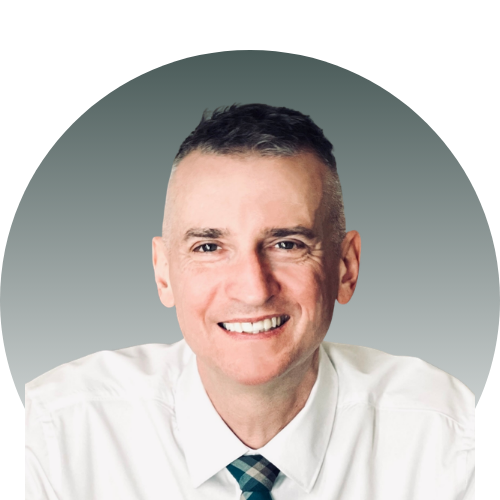
Daniel Cogan is a nurse practitioner in New York City with 25 years dedicated to providing relief of pain and other symptoms. He is trained in Pain Reprocessing Therapy and Emotional Awareness and Expression Therapy, with advanced certification in hospice and palliative nursing and geriatric nursing.
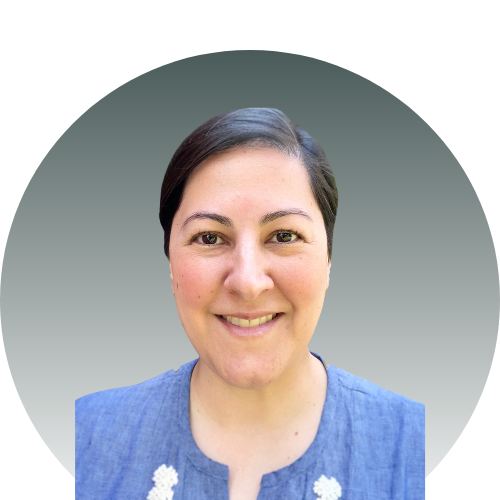
Dr. Lilia Graue is a physician, psychotherapist, coach, and grief tender with over 20 years of practice in both Spanish and English. Her approach is collaborative, trauma sensitive, healing centered, and mindfulness and compassion based. Available for educational mindbody medicine consultation by referral.
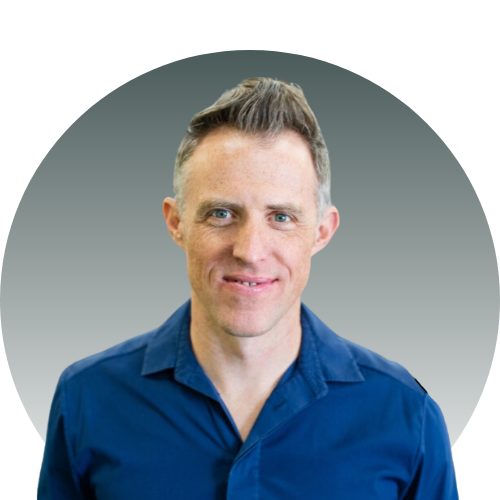
Charlie Merrill is the owner of Merrill Performance in Boulder, CO. He synthesizes traditional hands-on care with a mindbody approach and educates clinicians on how to transition toward a more psychosocial approach to pain and function.

Dr. Howard Schubiner is a leading voice in the mindbody world and a Clinical Professor of Internal Medicine at Michigan State University College of Human Medicine. He is the author of Unlearn Your Pain, Unlearn Your Anxiety and Depression, and Hidden From View.
For those familiar with mindbody principles, explore our recommended book list, learn about the Curable Health app, check out the "Like Mind, Like Body" podcast, and subscribe to our YouTube channel. All of these resources are designed to enrich your knowledge of the mindbody connection and introduce practical self-help strategies to support your healing.
Essential Reading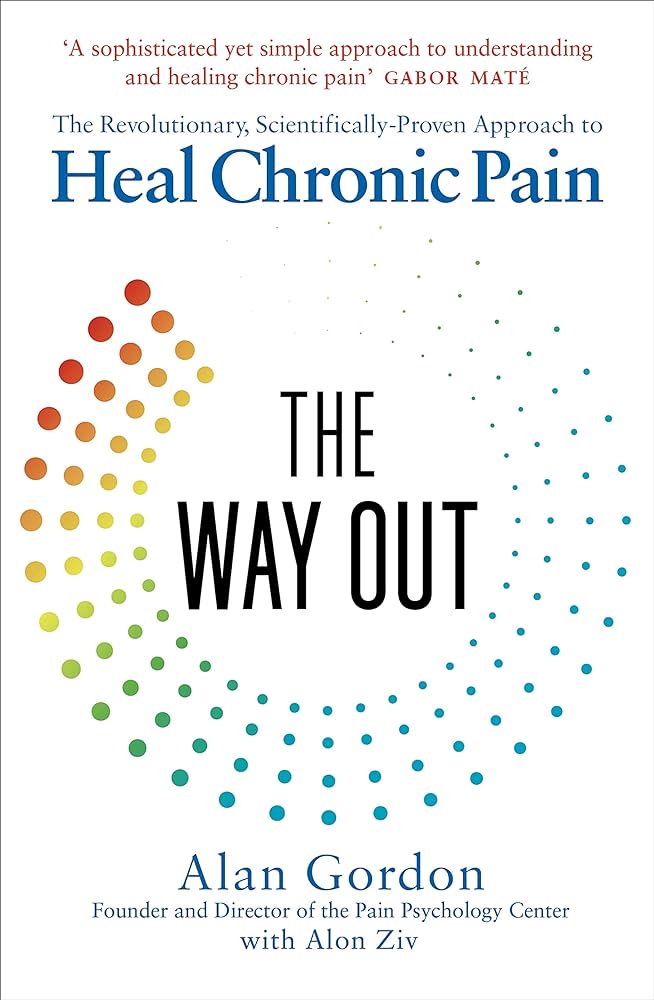
The Way Out
Alan Gordon's groundbreaking guide to Pain Reprocessing Therapy, introducing a mind-body protocol based on the latest neuroscience.
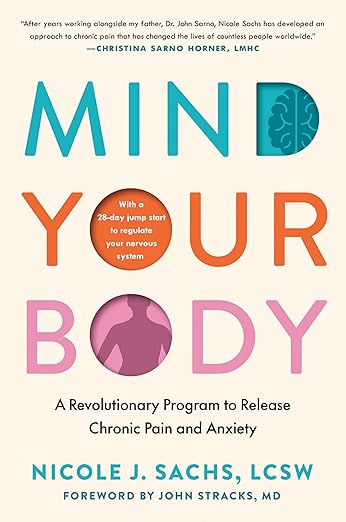
Mind Your Body
Nicole Sachs offers a groundbreaking approach to healing chronic pain and anxiety through nervous system regulation and her JournalSpeak method.
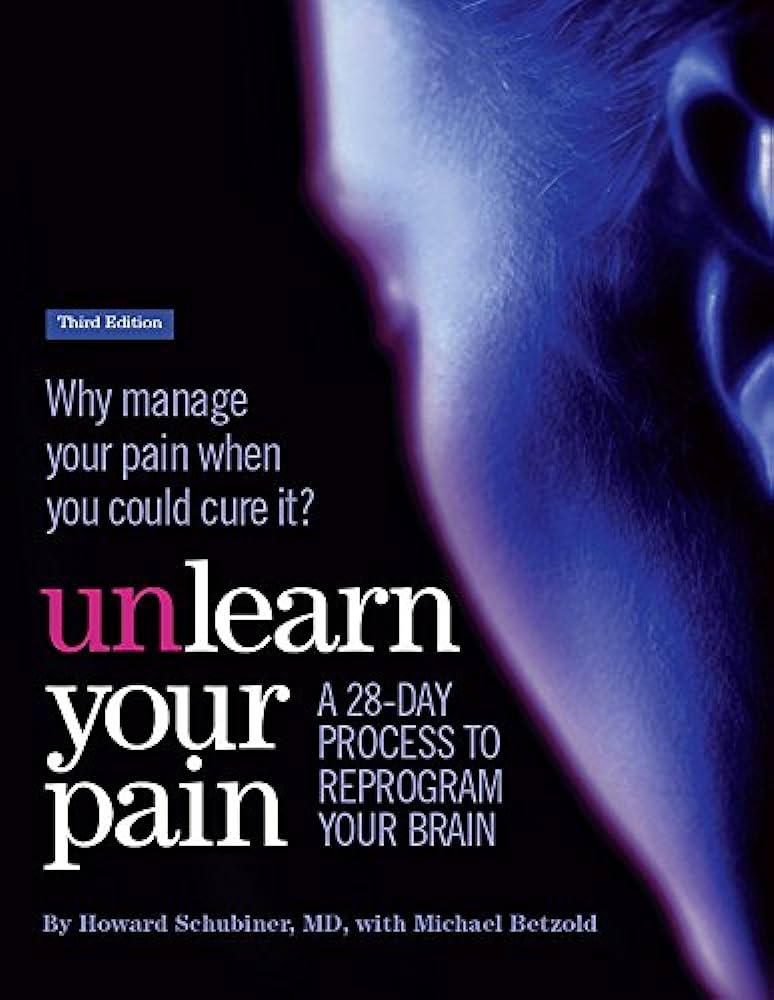
Unlearn Your Pain
Dr. Howard Schubiner's research-backed program using writing exercises and meditations to reverse chronic pain by addressing learned neural pathways.
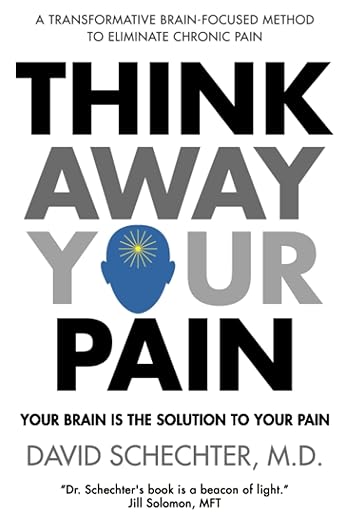
Think Away Your Pain
Dr. Schechter's approach to alleviating chronic pain through the mind's power, combining neuroscience, psychology, and 25 years of patient outcomes.
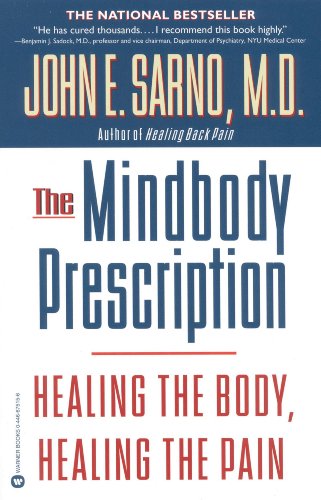
The Mindbody Prescription
Dr. Sarno reveals how many painful conditions, including most back and neck pain, are rooted in repressed emotions and how they can be successfully treated.
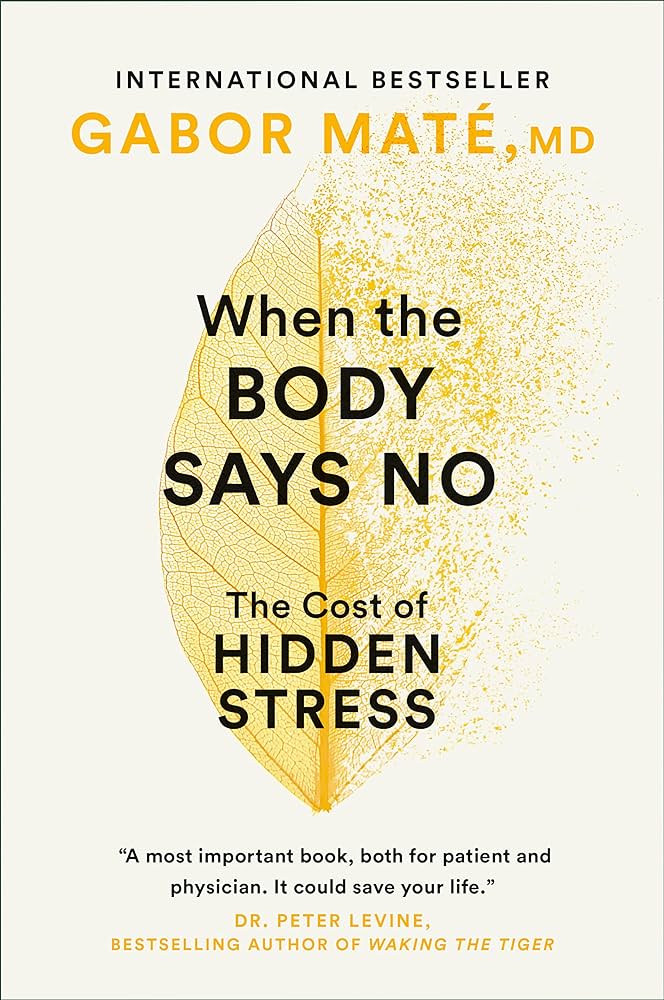
When the Body Says No
Dr. Gabor Maté examines the impact of chronic stress on health, exploring how suppression of emotions manifests in physical disease.
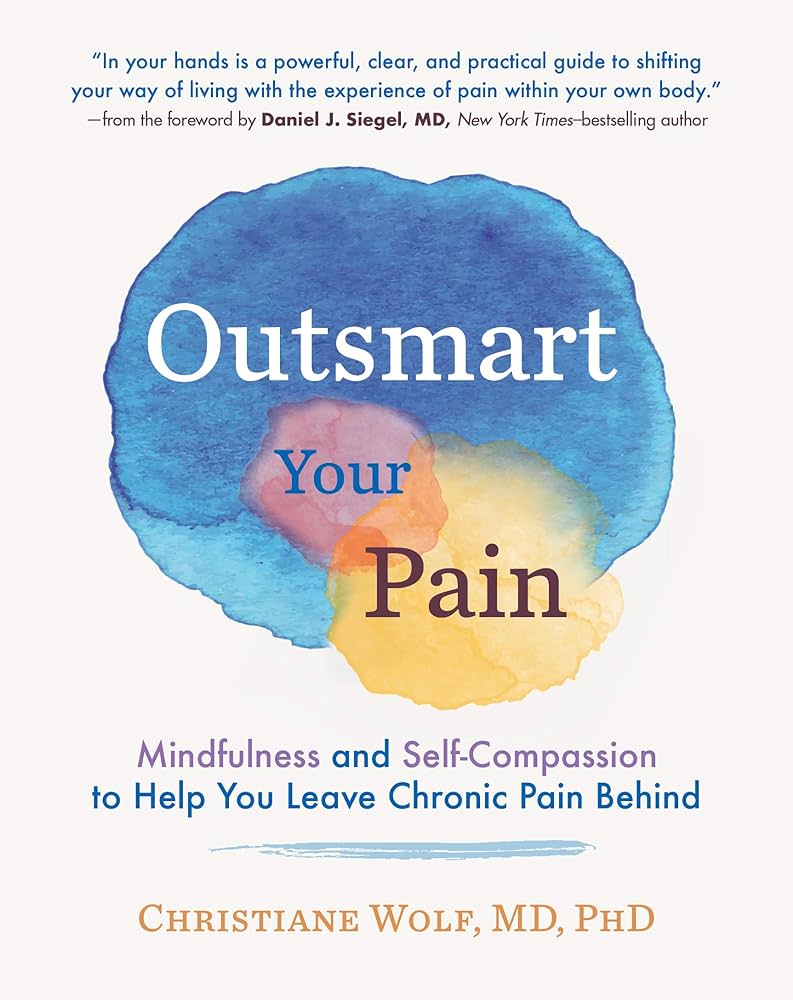
Outsmart Your Pain
Dr. Christiane Wolf's evidence-based guide to relieving chronic pain with mindfulness, complete with twenty easy guided meditations and self-compassion practices.
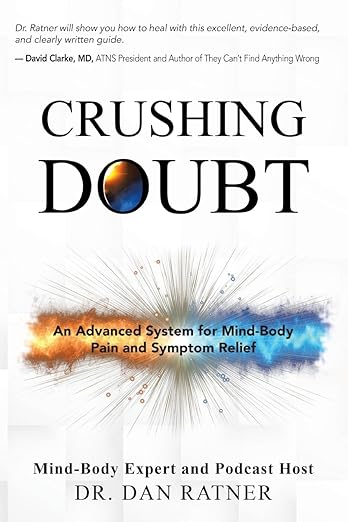
Crushing Doubt
Dr. Dan Ratner's comprehensive system for eradicating chronic pain and symptoms by building on Dr. Sarno's legacy and addressing the mind-body roots of suffering.

The Curable app is your personal guide to managing chronic pain with the mindbody approach. It's packed with audio lessons, meditations, journaling exercises, and videos that help you understand what's happening in your body and how to retrain your brain for less pain.
Visit Curable
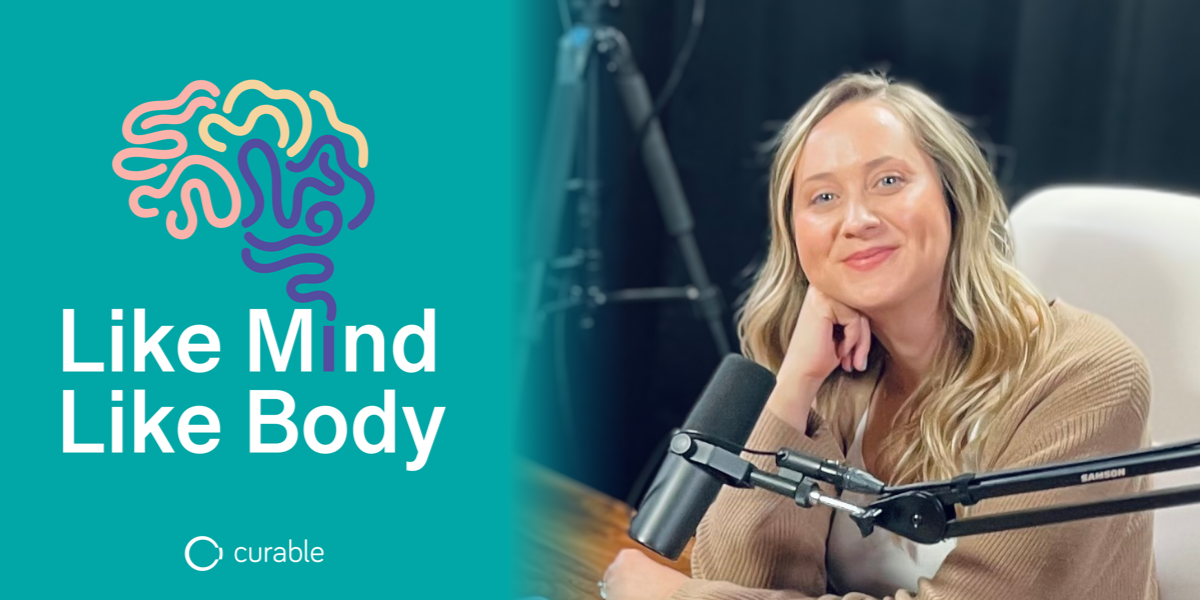
A podcast series sponsored by Curable Health and hosted by our Executive Director, Christie Uipi, LCSW. In each episode, Christie talks to leading experts to uncover practical advice and fresh perspectives on the mindbody connection. Whether it's about chronic pain research, personality traits that impact wellbeing, or confidence-boosting tools, these conversations will inspire you to make progress on your healing journey.
Our channel is inspired by our mission to serve our clients and interested viewers by sharing insights, experiences, and innovations directly from our clinical team. Dive into conversations between our clinicians as they discuss topics related to their work, from troubleshooting common techniques to personalizing approaches for more effective outcomes.
Watch on YouTubeSchedule a free consultation and speak with one of our clinicians about how we can support your path to recovery.
Schedule a Free Consultation